In today’s competitive business landscape, managing customer relationships effectively is crucial for driving sales growth and improving customer retention. Customer Relationship Management (CRM) is the cornerstone of this effort, combining practices, strategies, and technologies to analyze customer interactions throughout their lifecycle.
By leveraging operational CRM, businesses can centralize customer data, automate routine tasks, and gain valuable insights that enhance marketing efforts and elevate customer service. This comprehensive approach enables companies to optimize their sales processes, ultimately leading to a more efficient and customer-centric organization.
Effective CRM strategies can transform your business by streamlining processes and improving customer relationships. By understanding the fundamentals of CRM and implementing advanced automation techniques, businesses can overcome common challenges and achieve their objectives.
Understanding CRM Operations Management
CRM operations management is the backbone of any customer-centric organization, enabling businesses to streamline their processes and improve customer engagement. By understanding the fundamentals of CRM operations, businesses can enhance their customer relationships and drive growth.
What Is Operational CRM?
Operational CRM is designed to improve routine business operations and securely store data on all business activities with customers and prospects. It forms the backbone of customer-facing business processes, serving as a centralized system that manages all customer interactions across marketing, sales, and service departments.
Unlike analytical or collaborative CRM systems, operational CRM directly supports day-to-day customer engagement activities and streamlines front-office operations.
The Core Functions of CRM Operations
The core functions of CRM operations include sales force automation, marketing automation, and customer service management—all working together to create a seamless customer experience. Operational CRM systems store valuable customer data in one convenient location, allowing teams to access comprehensive customer profiles.
By understanding the fundamental purpose and functions of operational CRM, businesses can better leverage this powerful tool to enhance customer relationships and drive growth through improved operational efficiency.
The Strategic Importance of CRM Operations
The strategic importance of CRM operations cannot be overstated, as they directly impact a company’s bottom line. Operational CRMs are known to produce more than $8 of value for every $1 invested in them, making them a crucial component of any business strategy. By centralizing customer data and automating key processes, CRM operations enable businesses to identify trends, anticipate customer needs, and create more targeted sales and marketing strategies.
How CRM Operations Drive Business Growth
Effective CRM operations drive business growth by shortening sales cycles, increasing conversion rates, and improving customer retention through enhanced relationship management capabilities. Aberdeen Research Group offers supporting data that sales automation makes a huge difference, with “best-in-class” firms using sales automation outperforming laggards by up to 217% in return on investment. By leveraging CRM operations, businesses can scale their sales teams and provide them with the tools needed to sell and close deals more effectively.
Aligning CRM with Business Objectives
When properly aligned with business objectives, CRM operations can transform from a simple database into a powerful engine for achieving organizational goals. Top-performing companies strategically integrate their CRM operations across all customer-facing departments, ensuring that every team member has access to the insights needed to make data-driven decisions. This alignment enables businesses to expand market share, enter new markets, or improve customer lifetime value.
- CRM operations serve as a strategic asset that directly impacts a company’s bottom line.
- By centralizing customer data, businesses can identify trends and anticipate customer needs.
- Effective CRM operations drive business growth by shortening sales cycles and improving customer retention.
Key Components of Effective CRM Operations
To achieve operational excellence in CRM, businesses must focus on critical elements that drive sales, marketing, and customer service. These components work together to create a seamless customer experience, from initial awareness through the entire customer lifecycle.
Sales Force Automation
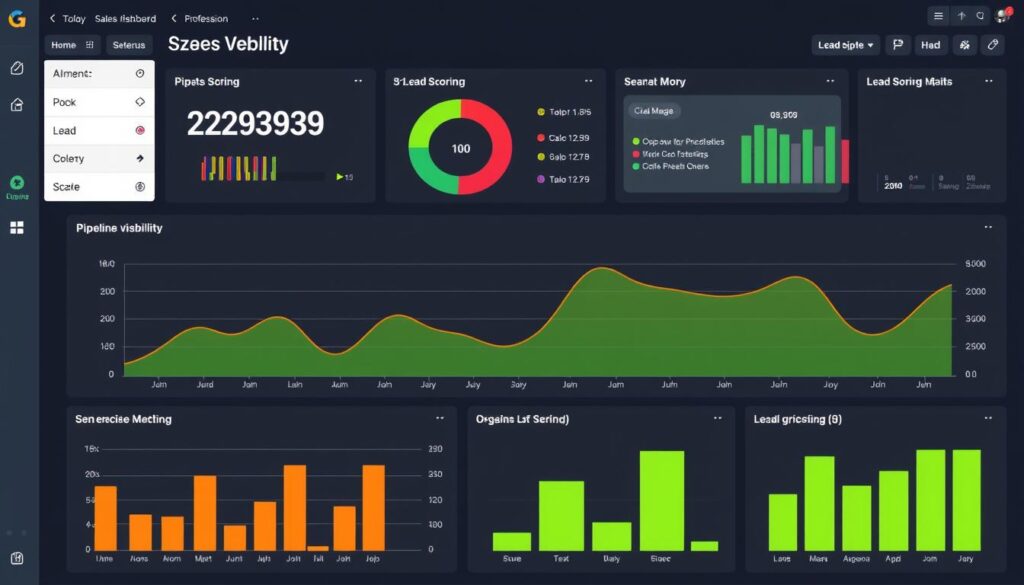
Sales Force Automation (SFA) is a crucial component of effective CRM operations. It eliminates manual tasks like data entry, follow-up scheduling, and lead assignment, allowing sales teams to focus on building relationships and closing deals. Modern SFA tools provide comprehensive pipeline visibility, automated lead scoring, and intelligent opportunity management.
Marketing Automation
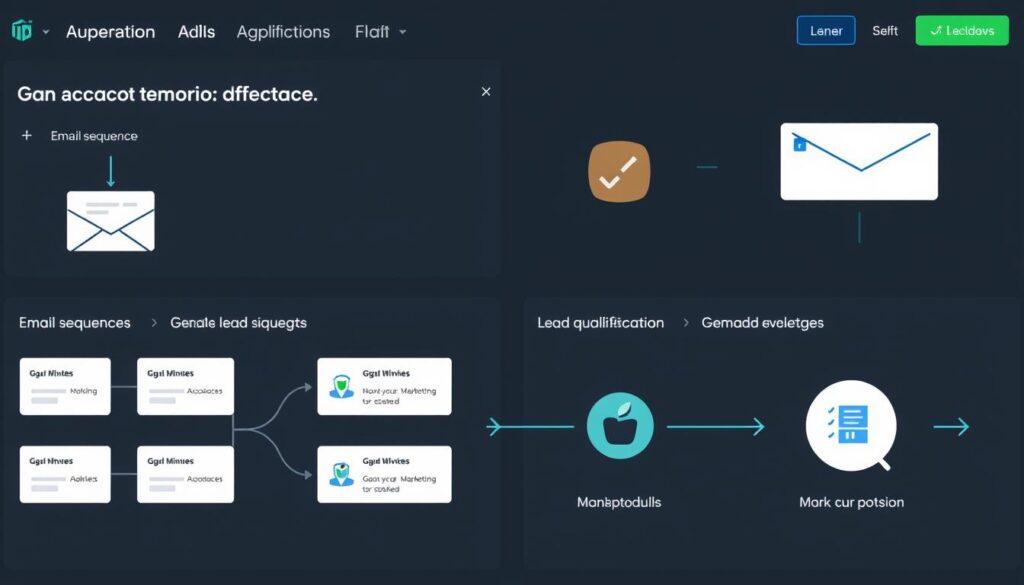
Marketing Automation within CRM operations enables teams to create, deploy, and measure campaigns across multiple channels while automatically nurturing leads based on their behavior and engagement level. Sophisticated marketing automation features include automated email sequences, lead qualification processes, and campaign performance tracking.
Customer Service Management
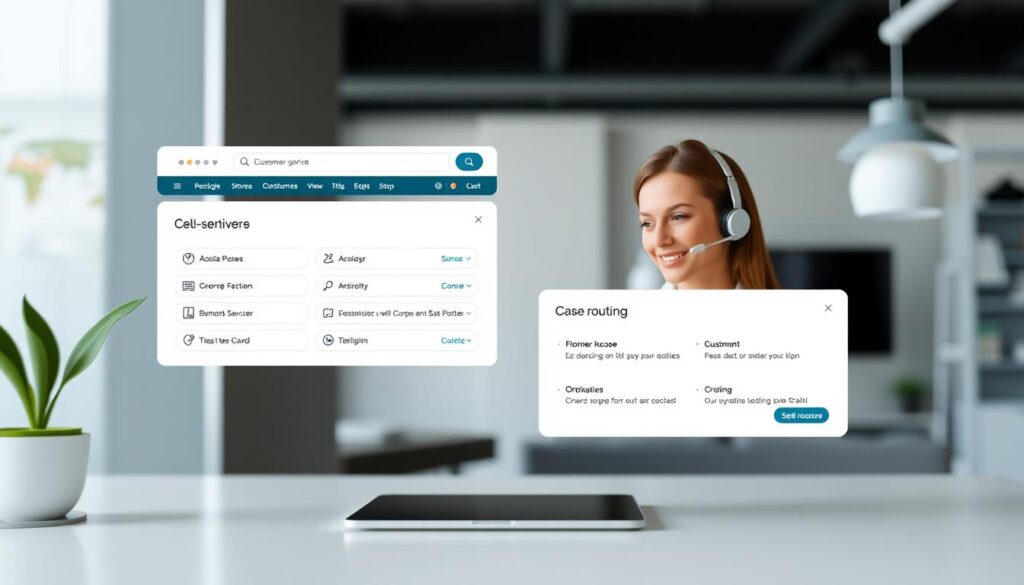
Customer Service Management components integrate support tickets, knowledge bases, and customer communication tools to ensure consistent, high-quality service experiences across all touchpoints. Self-service portals, automated case routing, and service-level agreement tracking help support teams manage customer issues efficiently.
When these three key components work together seamlessly within a CRM system, businesses can deliver a cohesive customer experience, driving business growth and customer satisfaction.
Automating CRM Operations for Maximum Efficiency
Automating CRM operations is crucial for businesses aiming to maximize efficiency and enhance customer interactions. By leveraging automation features within operational CRM, companies can streamline various processes, reduce manual errors, and improve overall customer satisfaction.

Lead Management Automation
Lead Management Automation is a powerful tool that intelligently captures, scores, and routes leads based on predefined criteria. This ensures that promising prospects are quickly assigned to the right sales representatives for timely follow-up, thereby increasing the chances of conversion. As Jeff Keller, a renowned sales expert, once said, “The key to success is to focus our conscious mind on things we desire not things we fear.” By automating lead management, businesses can focus on high-value activities that drive sales growth.
Contact and Communication Automation
Contact and Communication Automation enables personalized, timely outreach at scale through automated email sequences, follow-up reminders, and multi-channel communication workflows. This not only saves valuable time for the sales team but also ensures consistent and effective communication with customers. According to a study, businesses that use marketing automation see a 20% increase in sales within 6-9 months.
Workflow and Process Automation
Workflow and Process Automation streamlines approval processes, data entry, and routine administrative tasks, allowing team members to focus on high-value activities that require human judgment and creativity. By automating these processes, businesses can achieve significant efficiency gains while maintaining a personalized approach to customer relationships. As
“Automation is not just about technology; it’s about transforming your business to be more efficient, agile, and customer-centric.”
By implementing comprehensive automation across CRM operations, businesses can reap numerous benefits, including improved customer satisfaction, increased sales, and reduced operational costs. Modern CRM software provides user-friendly automation tools that business users can configure without extensive technical knowledge, making automation accessible to organizations of all sizes.
- Automation transforms time-consuming manual tasks into streamlined processes.
- Lead Management Automation captures, scores, and routes leads efficiently.
- Contact and Communication Automation enables personalized outreach.
- Workflow and Process Automation streamlines administrative tasks.
Data Management Strategies in CRM Operations
Data management is the backbone of CRM operations, enabling businesses to make informed decisions. Effective data management forms the foundation of successful CRM operations, ensuring that customer information remains accurate, accessible, and actionable across all business functions.
Data Collection and Organization
Data Collection and Organization strategies should focus on capturing relevant customer information at every touchpoint. Modern CRM systems offer automated data capture tools that can gather information from various sources, creating comprehensive customer profiles without manual entry. This approach prevents data silos and fragmentation, ensuring a structured and organized data management system.
- Capturing customer information at every touchpoint
- Utilizing automated data capture tools
- Preventing data silos and fragmentation
Data Quality and Maintenance
Data Quality and Maintenance require ongoing attention through regular auditing, deduplication processes, and data enrichment. Implementing data governance policies and automated validation rules helps maintain high data quality standards while reducing the administrative burden on team members. This ensures that customer records remain current and reliable.
- Regular auditing and deduplication processes
- Data enrichment for comprehensive customer profiles
- Implementing data governance policies
Leveraging Customer Data for Decision-Making
Leveraging Customer Data for Decision-Making transforms raw information into strategic insights through analytics capabilities. Segmentation, profiling, and predictive modeling allow businesses to make data-driven decisions about product development, marketing strategies, and resource allocation based on actual customer needs and preferences. This enables more informed decision-making at all levels of the organization.
- Using analytics for strategic insights
- Applying segmentation and predictive modeling
- Making data-driven decisions
Integrating CRM Operations Across Departments
To achieve seamless customer service, organizations must integrate their CRM operations across all departments. When different teams within an organization have access to the same information, they can work together more effectively towards a common goal.
Breaking Down Silos Between Sales, Marketing, and Service
One of the primary challenges in CRM operations is breaking down silos between sales, marketing, and service teams. This can be achieved by implementing shared goals, metrics, and processes that encourage collaboration. For instance, marketing teams can pass qualified leads to sales with complete context about their interests and engagement history. Meanwhile, sales can provide service teams with detailed purchase information and customer preferences.

Creating a Unified Customer View
Creating a unified customer view requires both technical integration of data sources and organizational alignment around customer-centric processes. A 360-degree customer view gives every team member access to the full history of customer interactions, enabling more personalized service and eliminating the frustrating experience of customers having to repeat information as they move between departments. This unified approach enhances the overall customer experience.
By integrating CRM operations across departments and creating a unified customer view, organizations can report higher customer satisfaction, increased employee productivity, and more effective resource allocation. This integrated approach is crucial for delivering a cohesive and positive customer experience.
Measuring Success in CRM Operations
To gauge the effectiveness of CRM operations, businesses must implement a robust measurement framework. This involves establishing clear metrics that align with business objectives and provide actionable insights for continuous improvement.
Key Performance Indicators for CRM Operations
Key Performance Indicators (KPIs) are crucial for evaluating the success of CRM operations. These typically include customer acquisition cost, customer lifetime value, conversion rates, sales cycle length, customer retention rates, and overall customer satisfaction scores.
Department-specific metrics, such as lead-to-opportunity conversion for marketing, win rates for sales, and first-contact resolution rates for customer service, contribute to a comprehensive view of CRM effectiveness.
Analytics and Reporting Best Practices
Analytics and reporting best practices emphasize the importance of creating dashboards and reports that provide both high-level overviews for executives and detailed operational metrics for team managers. Regular reporting cadences help organizations stay agile and responsive to changing customer needs.
Advanced CRM analytics capabilities, such as trend analysis and predictive modeling, can help identify opportunities for process optimization and reveal hidden insights in the data.
Overcoming Common Challenges in CRM Operations Management
Managing CRM operations effectively is a significant undertaking, and organizations often encounter several obstacles along the way. Even the most sophisticated CRM operations face challenges that can undermine their effectiveness if not properly addressed through strategic planning and proactive management.
User Adoption Issues
User adoption is a critical factor in the success of CRM operations. However, team members often resist new systems or revert to old habits, hindering the adoption process. To overcome this, businesses should involve end-users in the selection process, provide comprehensive training, and demonstrate the clear benefits of using the CRM system.
Data Integration Problems
Data integration is another significant challenge in CRM operations. When connecting CRM systems with other business applications, differences in data structures and formats can create integration issues. To address this, organizations can implement middleware solutions, use API-based connections, and establish clear data governance policies.
Scaling CRM Operations
As businesses grow, their CRM operations must scale to accommodate increasing demands. Scaling CRM operations requires regular system optimization, modular implementation approaches, and periodic process reviews to eliminate bottlenecks and unnecessary complexity. By anticipating these common challenges and developing mitigation strategies, organizations can maintain momentum in their CRM operations and continue delivering value as they grow.
Conclusion: Future-Proofing Your CRM Operations Strategy
Emerging technologies are transforming CRM operations, enabling businesses to stay ahead. The integration of artificial intelligence (AI) and machine learning is revolutionizing customer relationship management by providing predictive analytics and automated decision-making capabilities.
As customer expectations continue to evolve, future-proofing your CRM operations strategy is essential. This involves leveraging technologies like AI-powered CRM tools that can analyze customer interactions across multiple channels, identify sentiment, and predict needs. Additionally, advancements in voice recognition and natural language processing are creating new opportunities for personalized customer support.
To remain competitive, businesses must adopt a culture of continuous improvement in their CRM operations. This includes regularly evaluating new technologies and methodologies to stay ahead of the curve. By building a solid foundation of clean data, streamlined processes, and cross-departmental collaboration, organizations can create the flexibility needed to evolve their CRM operations as customer needs and business objectives change over time.
In conclusion, the future of CRM operations lies in embracing emerging technologies and developing agile processes that can quickly incorporate new capabilities. By doing so, businesses can enhance customer satisfaction, improve sales performance, and maintain a competitive edge in the market.