In today’s fast-paced business environment, effective expense management is crucial for maintaining financial control and operational efficiency. Managing company spending through corporate credit cards can be a tedious process, but with the right tools, it can be streamlined.
Modern expense management tools can transform manual processes into automated workflows, saving time and enhancing financial controls. By implementing the right solution, businesses can gain real-time visibility into company spending, improve compliance, and reduce processing costs.
This comprehensive guide will help you navigate the complex landscape of expense management solutions to find the perfect fit for your organization’s needs, whether you’re upgrading your current system or implementing a new one from scratch.
Understanding Corporate Credit Card Expense Management
Effective corporate credit card expense management is crucial for businesses to maintain financial control and optimize spending. It involves a comprehensive approach to managing company-issued credit cards and employee expenses.
What Is Corporate Credit Card Expense Management?
Corporate credit card expense management refers to the systems, processes, and tools organizations use to track, control, and optimize spending through company-issued credit cards. This management system helps businesses monitor expenses against budgets, process documentation, and migrate transaction data to accounting systems.
It encompasses the entire lifecycle of employee-initiated expenses, including travel, meals, and office supplies, ensuring compliance with company policies after the spending has occurred. By leveraging technology, businesses can automate expense tracking, reducing manual errors and increasing efficiency.
Why Effective Expense Management Matters for Businesses
Effective expense management directly impacts a company’s bottom line by reducing processing costs, minimizing errors, and preventing fraud or policy violations. For finance teams, streamlined expense management means less time spent on manual reconciliation and more time for strategic financial planning and analysis.
Modern expense management solutions transform what was once a tedious, paper-heavy process into an automated system that provides real-time insights into business expenses and spending patterns. By implementing robust expense management practices, businesses can achieve better financial control, improve compliance, and enhance overall financial health.
The Challenges of Traditional Corporate Card Expense Management
Traditional corporate credit card expense management is fraught with challenges that can hinder a company’s financial health. The process is often manual, time-consuming, and prone to errors, making it a significant burden for finance teams.
Manual Processing and Reconciliation Issues
The manual collection and processing of receipts for card expenses lead to delays and lost documentation. This not only results in hours spent on data entry and reconciliation but also diverts resources away from more strategic tasks. The lack of automation in expense tracking exacerbates these issues, making it a challenge for companies to manage their corporate credit card expenses efficiently.
Lack of Visibility and Control
Without real-time visibility into expenses, finance leaders struggle to make informed decisions about cash flow and budget allocation. They often work with outdated information, which can lead to poor financial planning. The absence of effective expense management systems means that companies lack the control they need to manage their finances effectively.
Compliance and Policy Enforcement Difficulties
Traditional systems make it difficult to enforce expense policies consistently, leading to policy violations that may go undetected until after reimbursement has occurred. The lack of automated controls in conventional expense management creates opportunities for fraud, duplicate submissions, and out-of-policy spending, significantly impacting a company’s bottom line.
By understanding these challenges, businesses can begin to see the need for a more streamlined and automated approach to corporate credit card expense management. This can help reduce the administrative burden on finance teams and improve overall financial management.
Benefits of Streamlining Your Corporate Credit Card Expense Management
By simplifying corporate credit card expense management, businesses can unlock significant advantages. Modern financial tools can dramatically reduce the time and cost associated with managing expenses while improving control, safety, and transparency.
Time and Cost Savings
Streamlining corporate credit card expense management delivers significant time and cost savings by automating manual processes and reducing the administrative burden on finance teams. Automated reconciliation, for instance, dramatically reduces errors and eliminates the need for manual data entry, improving accuracy in financial reporting and reducing the time spent on month-end close processes.
Improved Financial Control and Visibility
Modern expense management solutions provide real-time visibility into spending, allowing finance leaders to make data-driven decisions based on current information rather than month-old reports. This enhanced visibility enables better control over corporate credit card expenses, ensuring that spending aligns with company policies and budgets.
Enhanced Compliance and Fraud Prevention
Enhanced compliance features automatically flag policy violations before reimbursement occurs, while sophisticated fraud detection tools identify suspicious patterns that might otherwise go unnoticed. By implementing these measures, businesses can significantly reduce the risk of non-compliant expenses and fraudulent activities.
Better Cash Flow Management
Better cash flow management becomes possible when companies can see all expenses in real-time, forecast more accurately, and plan for upcoming expenditures with greater confidence. This improved visibility into corporate credit card expenses enables finance teams to manage cash flow more effectively, reducing the risk of unexpected expenses and improving overall financial stability.
- Automated processes reduce administrative burdens and improve efficiency.
- Real-time visibility into spending enables better financial control.
- Enhanced compliance features reduce the risk of policy violations.
- Better cash flow management through accurate forecasting and planning.
Key Features to Look for in Corporate Credit Card Expense Management Solutions
When selecting a corporate credit card expense management solution, it’s crucial to consider several key features that can significantly impact your business’s financial control and efficiency. The ideal solution should offer a comprehensive suite of tools to manage expenses effectively, from receipt capture to approval workflows and real-time spending visibility.
Automated Receipt Capture and Processing
One of the most valuable features of modern expense management software is automated receipt capture and processing. This technology uses Optical Character Recognition (OCR) to extract and categorize expense data without manual entry, significantly reducing the time spent on expense reporting. “Automating receipt capture is a game-changer for businesses looking to streamline their expense management processes,” as it minimizes errors and increases efficiency.
Customizable Approval Workflows
Customizable approval workflows are essential for ensuring that your organization’s spending authority is respected. These workflows should reflect your company’s structure, allowing for multi-level approvals when necessary while streamlining the process for routine expenses. By tailoring approval workflows to your business needs, you can enhance control over corporate credit card transactions.

Real-Time Spending Visibility
Real-time spending visibility is critical for proactive management of corporate credit card expenses. Solutions that provide dashboards showing current spending by department, category, and individual help maintain control over your budget. This feature enables businesses to identify areas of overspending and make informed decisions to optimize their financial resources.
Integration Capabilities with Accounting Systems
Seamless integration with existing accounting systems is vital for eliminating duplicate data entry between expense management and financial reporting systems. By ensuring that your corporate credit card expense management solution integrates well with your accounting software, you can achieve a more streamlined financial management process.
In conclusion, when evaluating corporate credit card expense management solutions, prioritize features that enhance efficiency, control, and visibility. By focusing on automated receipt capture, customizable approval workflows, real-time spending visibility, and integration capabilities, you can significantly improve your organization’s financial management.
Traditional vs. Virtual Corporate Credit Cards
The shift from traditional to virtual corporate credit cards is transforming the way companies handle expenses. As businesses seek to streamline their financial processes, the choice between physical and virtual cards becomes increasingly important.
Limitations of Physical Corporate Cards
Traditional physical corporate credit cards come with several inherent limitations. They are vulnerable to loss or theft, which can lead to unauthorized transactions and significant financial losses. Moreover, managing multiple physical cards for various employees can be administratively burdensome, involving manual receipt collection and reconciliation processes. The lack of real-time visibility into spending until statements arrive weeks later further complicates financial control.
Key challenges with physical corporate cards include:
- Limited control over spending limits in real-time
- Difficulty in managing cards for multiple employees
- Increased risk of fraud due to card loss or theft
- Administrative burdens with manual receipt collection and reconciliation
As Andrew Carnes, CFO of Brex, noted, “The biggest challenge with traditional corporate cards is the lack of control and visibility into employee spending.” This highlights the need for more advanced solutions.
Advantages of Virtual Credit Cards for Expense Management
Virtual corporate credit cards offer a significant upgrade in expense management. They provide instant issuance capabilities, allowing finance teams to create cards on-demand for specific purposes, vendors, or time periods. This flexibility enhances control over expenses and reduces the risk of fraud. Each virtual card can be configured with unique parameters, including spending limits, merchant category restrictions, and expiration dates, making them a more secure option.
The benefits of virtual credit cards include:
- Enhanced security through customizable parameters
- Granular control over expenses for specific projects or departments
- Seamless integration with expense management systems
- Reduced administrative burden through automated processes
By adopting virtual corporate credit cards, businesses can significantly improve their expense management processes, reducing both financial risk and administrative overhead.
Top Corporate Credit Card Expense Management Tools
The right corporate credit card expense management tools can help businesses streamline their financial processes, improve compliance, and enhance overall productivity. With numerous options available, selecting the best tool for your organization can be challenging. This section will explore some of the top corporate credit card expense management tools in the market, highlighting their key features and benefits.
Rho: Comprehensive Finance Platform
Rho is a comprehensive finance platform that offers a range of financial management tools, including corporate credit card expense management. With Rho, businesses can create unlimited virtual and physical corporate cards, each with customizable spending controls. Rho Expenses provides finance teams with the tools to easily manage Rho Card spending, process expense reimbursements, and automate expense management.
Navan: Travel Management and Expense Platform
Navan is a popular travel management and expense platform that offers a user-friendly interface and strong integration between travel management and expense reporting. Navan is particularly valuable for organizations with significant travel expenses, providing a streamlined experience for both employees and finance teams.
SAP Concur: Enterprise-Grade Expense Management
SAP Concur is a travel and expense management platform that provides enterprise-grade expense management with robust customization options for approval workflows and policy enforcement. While some users report challenges with its user interface and integration complexity, SAP Concur remains a powerful tool for managing employee expenses.

Expensify: Automated Expense Processing
Expensify provides expense management software that automates the expense reporting process with features like receipt scanning, automatic categorization, and policy compliance checks. This creates a streamlined experience for both employees and finance teams, making it easier to manage corporate credit card expenses.

Brex: Corporate Cards and Expense Tracking
Brex offers corporate cards, expense management, travel, and bill pay software solutions. The platform provides real-time expense tracking and variance reporting, making it popular among startups and growth-stage companies looking for scalable solutions.
BILL Spend & Expense: Integrated Financial Management
BILL Spend & Expense (formerly Divvy) integrates credit card management with accounts payable automation, providing a comprehensive approach to financial management. The platform offers budget-linked cards, making it easier to manage corporate credit card expenses.
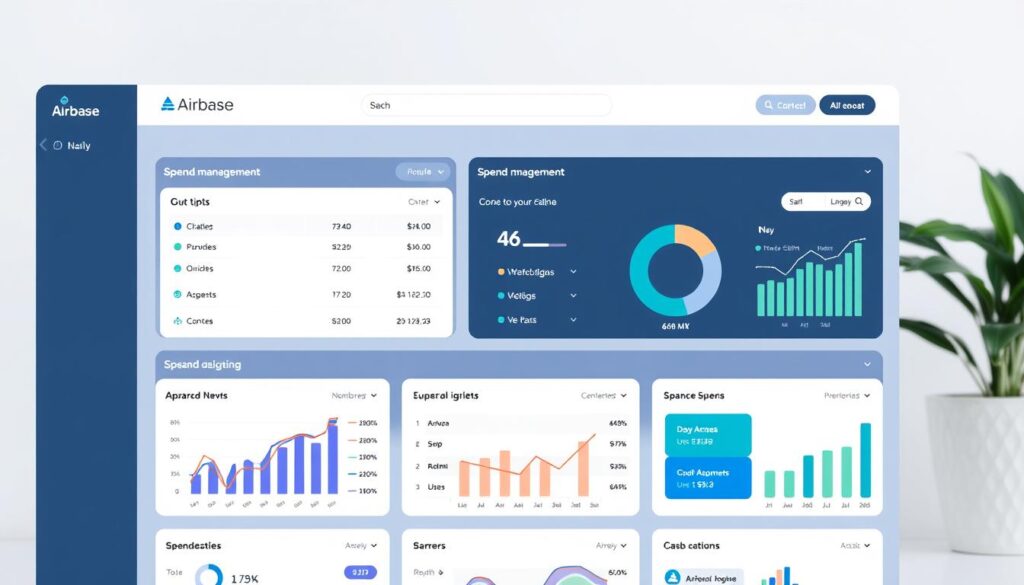
Airbase: Comprehensive Spend Management
Airbase is a spend management platform that combines accounts payable, corporate cards, and employee reimbursements into a unified system with strong approval workflows. This comprehensive approach helps businesses manage their financial processes more effectively.
Extend: Virtual Card Management
Extend offers a unique approach to virtual card management by allowing businesses to create virtual cards using their existing credit card accounts. This eliminates the need to switch banking relationships while gaining the benefits of virtual cards.
Comparing Corporate Credit Card Expense Management Solutions
Selecting an appropriate corporate credit card expense management solution can significantly impact your business’s financial health. With numerous options available, it’s essential to compare these solutions based on key factors such as pricing models, feature sets, and integration capabilities.
Pricing Models and Cost Considerations
Corporate credit card expense management solutions offer diverse pricing models. For instance, Rho provides a free platform with no user fees, while Rho Platinum offers 2% cashback on up to $1 million in annual spend. In contrast, SAP Concur and Brex require a sales call to determine pricing. Expensify offers tiered pricing plans, charging based on card usage if it’s below 50% of company spend. BILL Spend & Expense is free, although their AP automation comes at a cost. Airbase offers Standard, Premium, and Enterprise pricing levels.
When evaluating pricing models, consider the total cost of ownership, including implementation costs, training, and ongoing support expenses. Potential savings from automation and improved efficiency should also be factored into your calculations.
Feature Comparison Matrix
A feature comparison is crucial to identify the best solution for your organization. Key features to consider include receipt capture, approval workflows, policy enforcement, and reporting capabilities. Solutions like Expensify and Airbase offer robust features that can be tailored to your business needs.
- Automated receipt capture and processing
- Customizable approval workflows
- Real-time spending visibility
- Integration with accounting systems
Prioritize features based on your organization’s specific requirements to ensure the chosen solution aligns with your business processes.
Integration Capabilities
Seamless integration with existing financial systems is vital for efficient expense management. Evaluate the native integrations offered by each solution with your accounting software, ERP, and banking platforms. This ensures smooth data flow and reduces manual entry errors.
By carefully comparing corporate credit card expense management solutions based on pricing, features, and integration capabilities, businesses can select a solution that enhances financial control, reduces costs, and improves overall efficiency.
Best Practices for Corporate Credit Card Expense Management
To streamline corporate credit card expenses, companies must adopt best practices that enhance financial oversight and minimize unnecessary expenditures. While technology like virtual credit cards can streamline many traditional aspects of corporate credit card expense management, the right internal policies are still necessary to keep expenses on track.
Establishing Clear Expense Policies
Establishing clear, comprehensive expense policies is the foundation of effective corporate credit card expense management. These policies should document acceptable expenses, required approvals, submission timelines, and consequences for policy violations. By setting clear guidelines, businesses can ensure that employees understand what expenses are permissible and how to report them correctly.
Setting Appropriate Spending Limits
Setting appropriate spending limits based on employee roles, departments, and business needs creates natural guardrails that prevent excessive spending while still enabling employees to make necessary purchases. This approach helps maintain financial control and reduces the risk of misuse of corporate cards.
Implementing Approval Workflows
Implementing tiered approval workflows ensures that expenses receive proper oversight without creating bottlenecks. Consider dollar thresholds that trigger additional approvals only when necessary. This streamlined approach to expense approval helps maintain efficiency while ensuring that expenses are thoroughly reviewed.
Regular Monitoring and Reporting
Regular monitoring and reporting are essential for identifying trends, spotting potential fraud, and ensuring policy compliance. Schedule weekly or monthly reviews of expense data to catch issues early. Automating policy enforcement through your expense management system helps maintain consistency and removes the burden of manual checks from your finance team.
By implementing these best practices, businesses can optimize their corporate credit card expense management processes, enhance financial control, and reduce costs. Providing clear communication and training about expense policies and procedures ensures that all employees understand expectations and reduces instances of unintentional policy violations.
- Establish clear expense policies that outline acceptable expenses and consequences for policy violations.
- Set spending limits based on employee roles and business needs to prevent excessive spending.
- Implement tiered approval workflows to ensure proper oversight without creating bottlenecks.
- Regularly monitor and report on expenses to identify trends and potential fraud.
Implementing a Corporate Credit Card Policy
Implementing a comprehensive corporate credit card policy is crucial for businesses to maintain control over their expenses. A well-defined policy helps organizations streamline their financial management processes, reduce potential risks, and improve overall efficiency.

Key Elements of an Effective Card Policy
A comprehensive corporate credit card policy should clearly define several key elements to ensure effective credit card management. These include:
- Card eligibility criteria and authorized use cases
- Spending limits and documentation requirements
- Consequences for misuse or policy violations
- Procedures for card issuance and cancellation
- Expense submission deadlines and approval processes
By establishing these guidelines, businesses can minimize potential misuse and ensure that their corporate cards are used responsibly. It’s also essential to address personal expenses explicitly, outlining whether they’re prohibited or allowed with immediate reimbursement.
Communicating Policies to Employees
Communicating policies to employees requires more than just distributing a document. To ensure understanding and compliance, consider using interactive training sessions, scenario-based examples, and regular reminders. Make your card policy accessible through multiple channels, including your company intranet, expense management platform, and new employee onboarding materials.
To enhance compliance, consider creating role-specific policy summaries that highlight the most relevant guidelines for different employee groups. Regularly reviewing and updating your corporate card policy will help address emerging expense categories, changing business needs, and lessons learned from policy violations or expense management challenges.
How to Choose the Right Corporate Credit Card Expense Management Solution
The right corporate credit card expense management solution can significantly impact a company’s financial health and operational efficiency. With various options available, businesses must carefully evaluate their needs and the capabilities of different solutions.
Assessing Your Business Needs
Begin by thoroughly assessing your business requirements, including transaction volume, number of cardholders, approval complexity, and integration needs. Consider the specific pain points in your current expense management process that need to be addressed.
- Evaluate your transaction volume and the number of cardholders.
- Assess the complexity of your approval workflows.
- Identify your integration requirements with existing financial systems.
Evaluating Solution Scalability
Consider your company’s growth trajectory when evaluating solution scalability. The right platform should accommodate increasing users, transaction volumes, and complexity without significant performance degradation or cost escalation.
- Assess the solution’s ability to handle increased transaction volumes.
- Evaluate the scalability of the user management features.
- Consider the potential for adding new features as your business grows.
Considering User Experience
User experience is critical for successful adoption. Evaluate the interface from both the employee and administrator perspectives, prioritizing intuitive design that minimizes training requirements and encourages compliance.
- Assess the ease of use for employees submitting expenses.
- Evaluate the administrative interface for managing policies and approvals.
- Consider the availability of mobile apps for on-the-go expense management.
By carefully assessing your business needs, evaluating solution scalability, and considering user experience, you can select a corporate credit card expense management solution that streamlines your financial processes and enhances operational efficiency.
The Role of Automation in Corporate Credit Card Expense Management
Automation is revolutionizing corporate credit card expense management by streamlining processes and reducing manual errors. With solutions like Extend, businesses can automate the reconciliation of transactions, attach reference codes to virtual cards and transactions, and digitize receipts and invoices, making expense reporting more efficient.
AI and Machine Learning Applications
AI and machine learning are being increasingly used in expense management to enhance efficiency and accuracy. Applications include intelligent receipt scanning that extracts and categorizes data, anomaly detection that flags unusual spending patterns, and predictive analytics that forecast future expenses. “The use of AI in expense management is not just about automating tasks; it’s about providing insights that can inform business decisions,” as seen in modern systems that can automatically match transactions with receipts and validate compliance with company policies.
- Intelligent receipt scanning for data extraction and categorization
- Anomaly detection for identifying unusual spending patterns
- Predictive analytics for forecasting future expenses
Benefits of Automated Reconciliation
Automated reconciliation offers numerous benefits, including improved accuracy in financial reporting, reduced risk of fraud, and better visibility into real-time spending. By enabling continuous monitoring of expenses, finance teams can identify and address policy violations or unusual spending patterns immediately. As stated, “Automation transforms corporate credit card expense management by eliminating manual data entry, reducing errors, and accelerating processing times from days to minutes.”
- Improved accuracy in financial reporting
- Reduced risk of fraud through consistent application of controls
- Better visibility into real-time spending
By leveraging automation, businesses can shift their focus from transaction processing to analysis and decision support, representing a significant strategic advantage.
Managing Corporate Cards for Remote and Distributed Teams
As businesses continue to adopt remote work models, managing corporate cards for distributed teams has become a critical challenge. The shift to remote work has introduced new complexities in corporate card management, including physical card distribution, receipt collection, and policy enforcement across different time zones and locations.
Challenges in Remote Work Environments
Remote and distributed teams present unique challenges for corporate card expense management. These include:
- Difficulty in distributing physical cards to employees in different locations
- Collecting receipts across various time zones
- Maintaining consistent policy enforcement without in-person oversight
- Managing expenses across multiple currencies and tax jurisdictions
To overcome these challenges, companies are turning to virtual cards as an essential tool for remote teams. Virtual cards allow for instant issuance to employees regardless of their location, eliminating the logistical challenges associated with shipping physical cards internationally.
Solutions for Global Team Expense Management
Effective solutions for global team expense management include:
- Mobile receipt capture
- Automated currency conversion
- Country-specific tax handling
- Integration with international payment methods
- Cloud-based expense management platforms
Implementing category-specific virtual cards for remote employees can simplify expense tracking. For instance, dedicated cards for home office equipment, software subscriptions, or professional development expenses can enhance expense management.
Security Considerations for Corporate Credit Card Management
As businesses increasingly rely on corporate credit cards, the need for stringent security measures becomes more pressing. Effective security protocols are essential to prevent fraud and unauthorized transactions, safeguarding the financial integrity of the organization.
One of the key advantages of using virtual cards is their enhanced security feature. Virtual cards generate unique card numbers for specific transactions or vendors, limiting exposure if data is compromised and allowing immediate deactivation when necessary. This significantly reduces the risk associated with traditional credit cards, which can be easily stolen or lost.
Fraud Prevention Measures
Advanced fraud prevention measures are critical in corporate credit card management. These include real-time transaction monitoring that flags unusual spending patterns, location-based alerts that identify potentially fraudulent transactions, and spending controls that prevent unauthorized purchases. Implementing these measures helps in early detection and prevention of fraudulent activities.
- Real-time transaction monitoring to detect unusual spending patterns
- Location-based alerts for identifying potentially fraudulent transactions
- Spending controls to prevent unauthorized purchases
Data Protection and Compliance
Data protection considerations should extend beyond the cards themselves to the entire expense management ecosystem. This includes secure storage of receipts, encryption of sensitive information, and controlled access to financial data. Compliance requirements vary by industry and region; thus, it’s crucial that your corporate card management system supports relevant standards such as PCI DSS, GDPR, SOX, or industry-specific regulations that govern financial data handling.
Regular security audits and penetration testing of your expense management platform help identify vulnerabilities before they can be exploited. Employee training is also vital in reducing the risk of social engineering attacks. Consider implementing additional authentication measures for high-value transactions or sensitive spending categories to provide an extra layer of security for your most significant financial activities.
Future Trends in Corporate Credit Card Expense Management
Emerging technologies are transforming the landscape of corporate credit card expense management. Virtual cards are at the forefront, enabling businesses to automate and streamline card payments, reconciliation, and expense tracking.
Emerging Technologies and Innovations
Technologies like blockchain and artificial intelligence are enhancing security, transparency, and anomaly detection in expense management. Virtual cards are evolving into programmable payment instruments with conditional logic, improving spend control.
Evolving Business Needs and Solutions
Businesses are driving demand for comprehensive solutions that unify expense management with other financial functions. As remote work models become more prevalent, expense management tools are adapting to meet the needs of distributed workforces, including features for spending management and reporting.
Conclusion: Transforming Your Business with Streamlined Expense Management
Corporate credit card expense management is a strategic advantage for businesses. By implementing streamlined expense management, companies can achieve significant benefits, including reduced processing costs and improved policy compliance. The right expense management solution enhances visibility into spending patterns and better cash flow management. As businesses evolve with remote work and changing payment technologies, their expense management approach must adapt. By following best practices and selecting the right solution, businesses can eliminate inefficiencies and improve decision-making capabilities. This transformation journey begins with assessing current pain points and exploring suitable solutions.