Businesses in the United States are constantly seeking ways to reduce operational costs without compromising on customer service. One significant expense for many businesses is the cost associated with credit card processing. At Shift Processing, transparency is key; they don’t hide fees in complex pricing models.
Shift Processing’s innovative approach to payment processing involves a cash discount program that can significantly reduce or eliminate merchant fees for businesses. This model allows businesses to pass on the savings to their customers or retain them as additional revenue.
By adopting free credit card merchant services, businesses can improve cash flow, reduce operational expenses, and simplify financial management. Understanding how these services work and choosing the right provider is crucial for maximizing benefits.
Understanding Credit Card Processing for Small Businesses
The world of credit card processing can seem complex, but it’s essential for small businesses to grasp its fundamentals. Credit card processing enables businesses to accept payments from customers through various channels, including in-store, online, and mobile transactions.
What Is Credit Card Processing?
Credit card processing refers to the series of steps that occur when a customer uses a credit card to make a purchase. It involves verifying the customer’s account information, checking available funds, and transferring the payment to the merchant’s account. This process is facilitated by multiple entities working together, including card networks, issuing banks, acquiring banks, and payment processors.
Why Small Businesses Need Credit Card Processing
Small businesses need credit card processing to provide their customers with convenient payment options. By accepting credit cards, businesses can increase sales, improve cash flow, and enhance customer satisfaction. Moreover, credit card processing allows businesses to operate more efficiently by reducing the need to handle cash and minimizing the risk of theft.
The Key Players in Credit Card Processing
Several key players are involved in credit card processing, including the cardholder, merchant, issuing bank, acquiring bank, and payment processor. The cardholder is the customer making the purchase, while the merchant is the business receiving the payment. The issuing bank is responsible for authorizing transactions and transferring funds, and the acquiring bank receives these funds on behalf of the merchant. The payment processor acts as an intermediary, managing the technical aspects of transaction processing.
The ecosystem of credit card processing involves multiple entities working together to facilitate seamless transactions between businesses and their customers. This includes card networks like Visa, Mastercard, American Express, and Discover, which establish the rules and infrastructure for processing payments.
How Free Credit Card Merchant Services Work

Free credit card merchant services have revolutionized the way businesses handle transactions, but how do they actually work? At their core, these services aim to eliminate or reduce the costs associated with credit card processing. However, it’s crucial to understand that “free” doesn’t always mean zero costs; instead, it often involves alternative revenue streams or cost redistribution.
The Cash Discount Program Model
The cash discount program model is a popular approach used by some free credit card merchant services. This model involves charging customers a slightly higher price for credit card transactions, while offering a discount for cash payments. The difference is used to offset the processing fees. For instance, a business might offer a 3% discount for cash payments, effectively covering the cost of credit card processing.
Zero-Fee Processing Explained
Zero-fee processing is another model that has gained traction. In this scenario, the processor absorbs the credit card processing fees, often in exchange for other revenue-generating activities, such as data analytics or premium services. This model can be beneficial for businesses with high transaction volumes, as it can significantly reduce their processing costs.
Is “Free” Really Free? Understanding the Fine Print
While free credit card merchant services can be attractive, it’s essential to read the fine print. Hidden fees, such as batch fees, chargeback fees, or early termination penalties, might still apply. Businesses should carefully review their contracts to understand all the associated costs and ensure they’re getting the best deal.
By understanding how free credit card merchant services work, businesses can make informed decisions about their payment processing needs. Whether through cash discount programs or zero-fee processing, these services can help reduce costs and improve cash flow.
Benefits of Free Credit Card Merchant Services
Free credit card merchant services provide a comprehensive solution for businesses to manage their payment processing efficiently. By leveraging these services, businesses can enjoy numerous benefits that enhance their financial management and overall operational efficiency.
Eliminating Processing Fees
One of the primary advantages of free credit card processing is the elimination of processing fees. This can lead to significant cost savings for businesses, particularly those with high transaction volumes. With 100% PCI Compliant and 100% EMV Compliant solutions, businesses can trust that their payment processing is secure.
Improving Cash Flow
Free credit card merchant services can also improve cash flow by providing businesses with more predictable financial statements. The elimination of variable processing fees helps businesses analyze their performance and plan for growth more effectively. Additionally, with 24/7 Account Access and Free Online Reports, businesses can stay on top of their finances at all times.

Simplifying Financial Management
Moreover, free credit card processing solutions simplify financial management by consolidating transaction data and providing integrated solutions that connect payment processing with inventory management, POS systems, and accounting software. This streamlines reconciliation and accounting processes, reducing the time business owners spend reviewing and questioning merchant service charges. With Dedicated Representative support, businesses can get assistance with financial management questions and optimize their payment acceptance strategies.
Potential Drawbacks to Consider
While free credit card merchant services offer numerous benefits, there are several potential drawbacks to consider. Businesses must weigh these factors to determine if free processing is truly the best option for their needs.
Customer Perception Issues
Some customers may be wary of businesses that offer cash discounts or surcharges, potentially affecting their perception of the merchant. This can be particularly true if the discount is not clearly communicated or if customers feel they’re being penalized for using a credit card. To mitigate this, businesses should ensure transparent pricing and clearly explain their payment policies to customers.
Limitations on Business Types
Not all business types or models are eligible for free credit card processing programs. Certain high-risk industries may face additional scrutiny or be excluded from these programs altogether. Businesses should check with providers to see if their industry is supported and understand any specific requirements or restrictions that may apply to their merchant account.
Minimum Volume Requirements
Many free processing providers require merchants to maintain minimum monthly transaction volumes, typically ranging from $5,000 to $10,000, to qualify for their programs. Businesses with seasonal fluctuations may struggle to meet these volume requirements during slower periods, potentially triggering fees or contract violations. It’s essential for businesses to carefully review the terms and conditions of any free processing program to understand these requirements and their implications for the business’s cash flow and POS system management.
Shift Processing: Zero-Fee Credit Card Processing

Shift Processing’s innovative approach to credit card processing allows businesses to save on fees. This solution is particularly appealing to businesses with high transaction volumes or those operating in competitive industries where every percentage point of margin matters.
Overview
Shift Processing offers a zero-fee credit card processing model that can significantly reduce the operational costs for businesses. By eliminating processing fees, businesses can improve their bottom line.
This model is based on a cash discount program or surcharging, where the savings from not paying processing fees are passed on to the customers or absorbed by the business.
Key Features
Zero Processing Fees: Businesses do not pay traditional processing fees, improving their cash flow.
Cash Discount Program or Surcharging: Businesses can choose to pass the savings to their customers or absorb the costs.
Pricing Structure
The pricing structure for Shift Processing is designed to be transparent, with no hidden fees. Businesses pay a flat monthly fee for the service, making it easier to budget for their credit card processing needs.
Pros
The primary advantage of Shift Processing is the elimination of processing fees, which can lead to significant savings for businesses. Additionally, the transparent pricing structure helps businesses budget more effectively.
Businesses with high transaction volumes or those in competitive industries can particularly benefit from this model.
Cons
While Shift Processing offers several benefits, there are some potential drawbacks to consider. For instance, not all business types or models are eligible for the zero-fee processing program.
Moreover, minimum volume requirements may apply, which could be a challenge for businesses with fluctuating transaction volumes.
Best For
Shift Processing is best suited for:
- Retail businesses with moderate to high transaction volumes seeking to eliminate processing fees.
- Service businesses with higher average ticket values where processing fees significantly impact margins.
- Established businesses with consistent monthly card volume meeting minimum requirements.
- Merchants in competitive industries where every percentage point of margin matters.
- Businesses whose customers are unlikely to object to small surcharges for card payments.
Square: Free Credit Card Reader with Competitive Rates

For businesses seeking a cost-effective payment processing solution, Square provides a free credit card reader. This offering is particularly beneficial for businesses looking to minimize their initial investment in payment processing hardware.
Overview
Square’s payment processing solution includes a free credit card reader that is compatible with both iOS and Android devices. The reader is designed to be user-friendly and integrates seamlessly with the Square POS system.
Key Features
The Square credit card reader is capable of processing chip, swipe, and contactless payments, making it versatile for various business environments.
Pricing Structure
Square charges a flat rate of 2.6% + 15¢ per transaction for Visa, Mastercard, Discover, and American Express cards. This transparent pricing model helps businesses predict their processing costs. Additionally, Square offers next-day funding, and there are no long-term contracts required.
Pros
Square’s solution offers several advantages, including no upfront costs for the credit card reader, a simple and transparent pricing structure, and compatibility with a wide range of devices. The integrated POS system also provides businesses with inventory management capabilities and detailed sales reporting.
Cons
While Square offers many benefits, some businesses may find the flat-rate pricing to be more expensive than interchange-plus pricing models for high-volume businesses. Additionally, the lack of customization options may not appeal to businesses with specific needs.
Best For
Square is ideal for various business types, including new businesses with minimal startup costs, mobile merchants such as food trucks and market vendors, small retailers seeking an integrated POS system, businesses with lower processing volumes, and merchants who value simplicity and ease of use.
Clover: All-in-One POS System with Transparent Pricing

Clover offers an all-in-one POS system designed to streamline business operations. This comprehensive solution integrates payment processing, inventory management, and customer management into a single platform.
Overview
Clover’s POS system is designed to cater to various business types, providing a flexible and scalable solution. With its user-friendly interface and robust features, businesses can efficiently manage their operations.
Key Features
Clover’s POS system includes features such as inventory management, customer loyalty programs, and detailed reporting.
Pricing Structure
Clover’s pricing is transparent, with costs clearly outlined for businesses to understand. The system charges a flat rate per transaction, making it easier for businesses to manage their expenses.
Pros
The Clover POS system offers several advantages, including robust inventory management, detailed sales reporting, and flexible payment processing. These features help businesses optimize their operations and improve customer satisfaction.
Cons
While Clover offers many benefits, some businesses may find the initial setup costs and hardware expenses to be significant. Additionally, businesses with complex needs may require customization, which can add to the overall cost.
Best For
Clover is ideal for various business types, including:
- Established retail businesses seeking a complete point-of-sale system with integrated payment processing.
- Restaurants and food service operations that need specialized features like table management and kitchen display systems.
- Multi-location businesses requiring consistent systems across all sites with centralized reporting.
- Service businesses looking for appointment scheduling and customer management capabilities.
- Merchants who prioritize purpose-built hardware over mobile-based solutions for durability and professional appearance.
Best Free Credit Card Merchant Services for E-commerce
For e-commerce businesses, selecting the right credit card merchant service is crucial for streamlined operations and reduced costs. The ideal service should offer flexibility, security, and integration with existing e-commerce platforms.
Stripe: Developer-Friendly Payment Processing
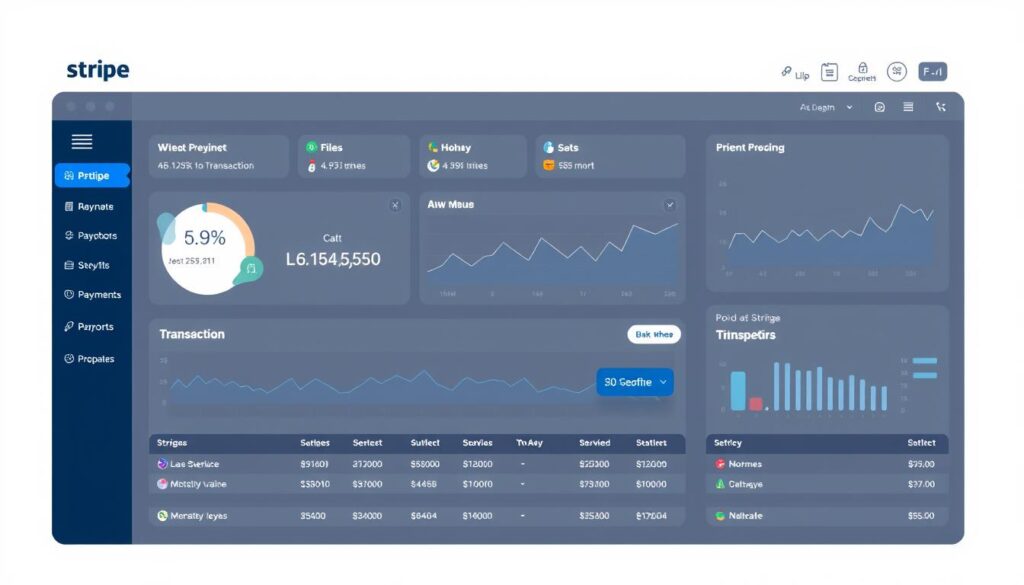
Overview
Stripe is a popular choice among e-commerce businesses due to its developer-friendly approach and comprehensive payment processing capabilities. It supports a wide range of payment methods and currencies, making it ideal for businesses with a global reach.
Pros and Cons
Stripe’s pros include its robust API, seamless integration with e-commerce platforms, and competitive pricing. However, it may require technical expertise for setup and customization.
Best For
Stripe is best suited for businesses that value flexibility and customization in their payment processing. It’s particularly beneficial for tech-savvy businesses or those with dedicated development teams.
Shopify Payments: Integrated E-commerce Solution
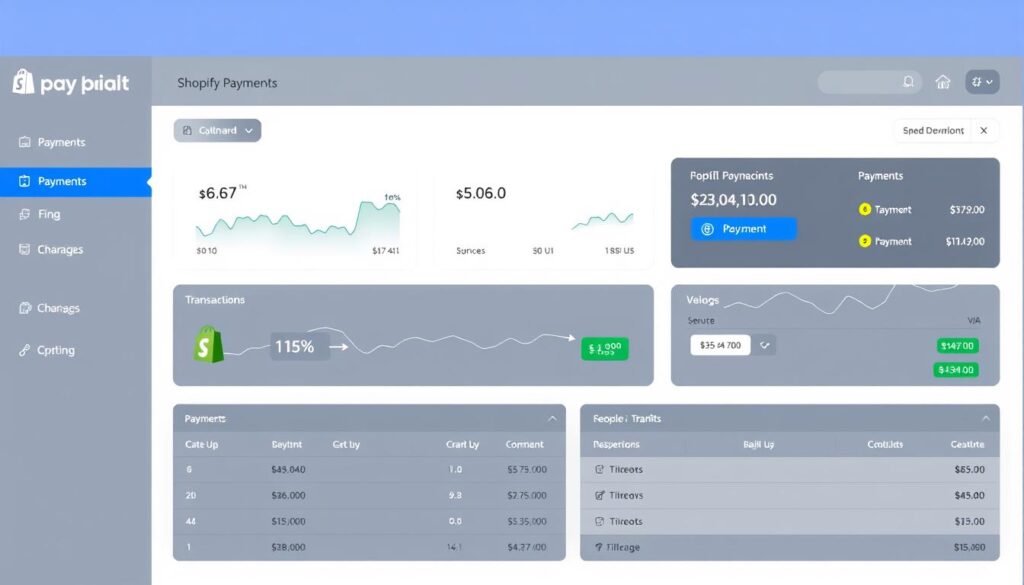
Overview
Shopify Payments is an integrated payment processing solution designed specifically for Shopify merchants. It simplifies payment management by eliminating the need for third-party integrations.
Pros and Cons
The pros of Shopify Payments include its ease of use, unified reporting, and streamlined financial management. However, it may not be as customizable as some businesses require.
Best For
Shopify Payments is ideal for e-commerce businesses already using or planning to use Shopify as their store platform. It’s particularly beneficial for merchants seeking simplified payment management and unified reporting.
In conclusion, both Stripe and Shopify Payments offer compelling solutions for e-commerce businesses. The choice between them depends on the specific needs and setup of the business.
Specialized Credit Card Processing Solutions
Businesses with unique needs require specialized credit card processing solutions. Certain industries have specific requirements that standard payment processors may not be able to fulfill.
Toast: For Restaurants and Service Businesses
Overview
Toast is a popular point-of-sale (POS) system designed specifically for restaurants and service businesses. It offers a comprehensive solution that includes credit card processing, inventory management, and customer loyalty programs.

Pros and Cons
Toast offers several benefits, including easy integration with existing systems and comprehensive reporting features. However, some users may find the pricing model to be less competitive than other providers.
The pros of using Toast include its user-friendly interface and robust features. On the downside, some businesses may experience higher costs due to the company’s pricing structure.
Best For
Toast is best suited for restaurants and service businesses looking for an all-in-one POS solution. Its features cater specifically to the needs of these industries, making it a popular choice among business owners.
PaymentCloud: For High-Risk Industries
Overview
PaymentCloud is a payment processing company that specializes in serving high-risk industries. They provide solutions for businesses that are often declined by conventional processors.

Pros and Cons
PaymentCloud offers flexible payment processing solutions for businesses with high-risk profiles. However, their services may come with higher fees compared to standard processors.
The advantages of using PaymentCloud include its ability to serve high-risk businesses and provide reliable service. On the other hand, businesses may face higher costs due to the nature of their industry.
Best For
PaymentCloud is ideal for businesses operating in high-risk industries, such as CBD, hemp, and cannabis-adjacent businesses, subscription-based services, firearms retailers, and adult products businesses. These industries often face challenges in securing payment processing services from traditional providers.
Low-Cost Alternatives to Free Credit Card Processing
Beyond free credit card processing, there are low-cost alternatives that can help businesses save on transaction fees. These alternatives offer flexible pricing models that can be more beneficial for certain businesses.
Helcim: Volume-Based Pricing
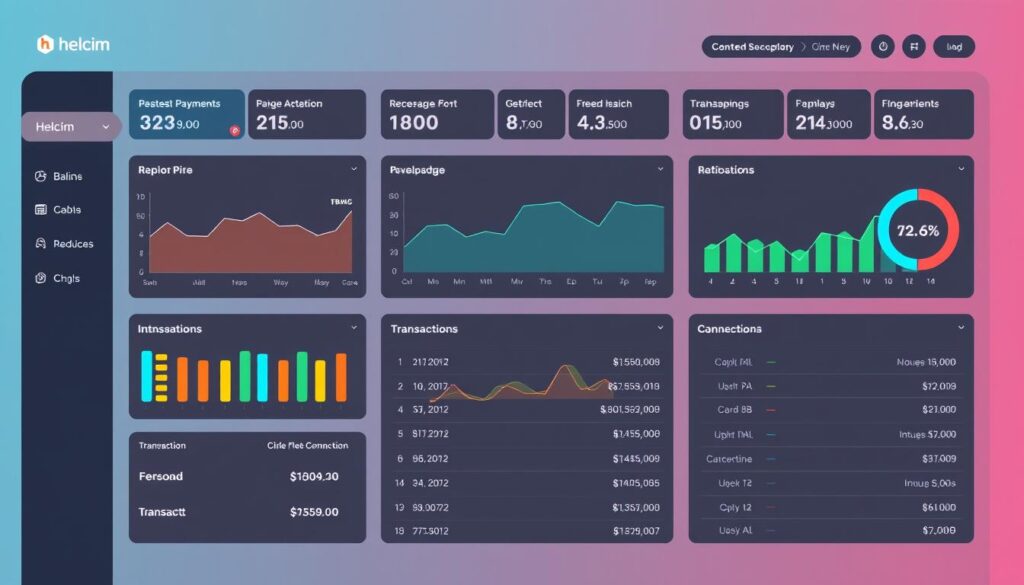
Overview and Pricing
Helcim offers a volume-based pricing model that can help businesses with high transaction volumes save on processing fees. The pricing is straightforward, with rates decreasing as the transaction volume increases.
Best For
Helcim is best for established businesses processing over $10,000 monthly, where the volume-based pricing can deliver meaningful savings. It’s also suitable for B2B companies with large average transaction sizes.
Stax: Subscription-Based Model
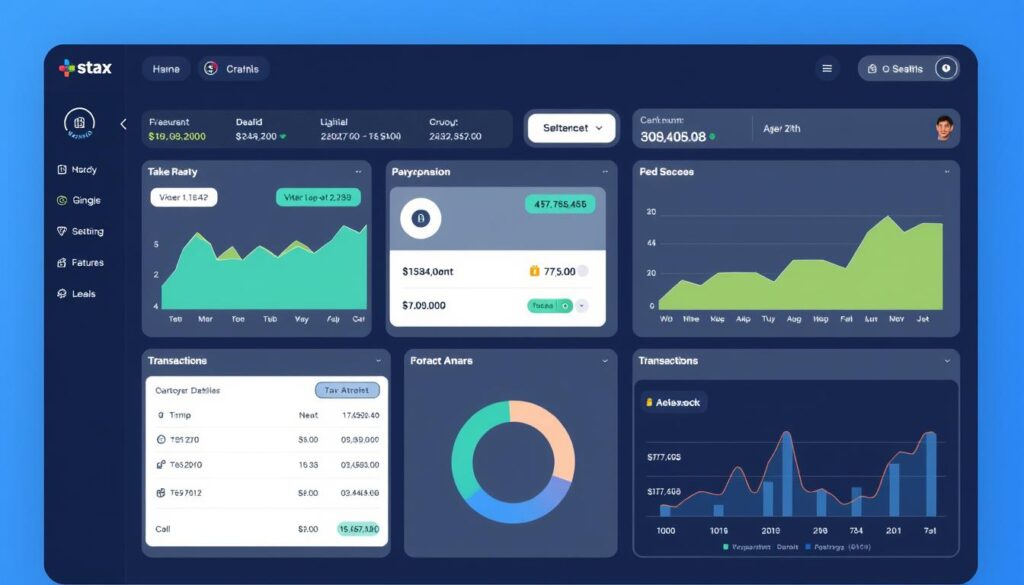
Overview and Pricing
Stax offers a subscription-based model that provides transparent pricing without percentage-based processor markups. This model is beneficial for businesses with predictable monthly processing volumes.
Best For
Stax is ideal for merchants with predictable monthly processing volume who can reliably benefit from the subscription model. It’s also suitable for businesses seeking transparent pricing and companies that prefer traditional processing models.
Both Helcim and Stax offer low-cost alternatives to free credit card processing, providing businesses with more flexibility and potential savings on transaction fees.
How to Choose the Right Credit Card Merchant Service
The right credit card merchant service can streamline your payment processing, improve customer satisfaction, and enhance your overall business efficiency. With so many options available, it’s crucial to assess your business needs carefully.
Assessing Your Business Needs
To choose the right credit card merchant service, start by evaluating your business requirements. Consider the volume of transactions you process, the types of payments you accept, and your industry’s specific needs. For instance, if you’re in e-commerce, you’ll need a service that integrates well with your online platform. Understanding your business needs will help you narrow down your options and select a service that aligns with your operations.
Comparing Fee Structures
Different credit card merchant services have varying fee structures. Some charge a flat rate per transaction, while others have tiered pricing models. It’s essential to compare these fees and understand how they will impact your bottom line. Consider not just the processing fees but also any additional costs for services like chargeback handling or PCI compliance.

Evaluating Hardware Requirements
Your business may require specific hardware to process credit card transactions efficiently. Evaluate whether you need a traditional POS system or if a mobile payment solution would suffice. Consider the cost of the hardware and any ongoing maintenance or upgrade requirements. Choose a service that offers hardware options that fit your business model.
Considering Integration Capabilities
Integration is key to a seamless payment processing experience. Evaluate how well the payment processor integrates with your existing business software, including accounting, inventory, and customer management systems. Consider whether the processor offers an API or pre-built integrations with popular platforms in your industry. Assess the quality of reporting tools and data export capabilities for financial analysis and reconciliation.
- Evaluate the processor’s ability to support omnichannel capabilities if you sell through multiple channels like in-store, online, and mobile.
- Consider future integration needs as your business grows and potentially adopts new technologies or business management systems.
By carefully assessing these factors, you can select a credit card merchant service that meets your business needs and supports your long-term growth.
Setting Up Free Credit Card Processing for Your Business
The process of setting up free credit card processing requires attention to detail and a clear understanding of the requirements. As you navigate this process, it’s essential to consider the various elements that will impact your business and its financial operations.
Required Documentation
To initiate free credit card processing, you’ll need to gather necessary documentation. This typically includes business registration documents, tax identification numbers, and banking information. Ensuring you have all required documents ready will streamline the setup process and save time.
Hardware Setup
Depending on your chosen payment processor, you may need to set up specific hardware. This could include card readers, point-of-sale (POS) systems, or virtual terminals. It’s crucial to select hardware that is compatible with your existing systems and meets your business needs.
Software Integration
Integrating your payment processing software with your existing systems is a critical step. This may involve connecting your POS system to your accounting software or e-commerce platform. Proper integration ensures seamless payment processing and reduces the risk of errors.
Staff Training Tips
Comprehensive staff training is vital for successful implementation of free credit card processing. Training should cover technical operation, communication strategies for explaining new pricing structures to customers, and troubleshooting common issues. Role-playing exercises can help staff address customer inquiries confidently.
By following these steps and providing your staff with the necessary training and resources, you can effectively set up free credit card processing for your business and improve your overall payment processing efficiency.
Conclusion
As businesses continue to navigate the complex world of payment processing, understanding free credit card merchant services becomes increasingly important. The concept of “free” credit card processing is gaining traction among businesses looking to minimize their payment processing expenses.
Free credit card merchant services offer compelling benefits for many businesses, particularly those with tight margins or high processing volumes where traditional fees significantly impact profitability. The “free” model works through innovative approaches like cash discount programs and surcharging that shift processing costs from merchants to card-using customers.
However, businesses must carefully evaluate whether free processing aligns with their specific operational model, customer expectations, and industry standards. Alternative low-cost processing models like interchange-plus or subscription pricing may provide better overall value for certain business types without potential customer perception issues.
The ideal payment processing solution balances cost considerations with functionality, reliability, customer experience, and growth potential to support long-term business success. By understanding the nuances of free credit card merchant services and carefully assessing their needs, businesses can make informed decisions about their payment processing options.
In conclusion, while free credit card merchant services can be an attractive option for many businesses, it’s crucial to consider all factors, including fees, customer service, and time-saving benefits, to choose the most suitable payment processing solution.