Florida drivers face unique challenges on the road, from the state’s no-fault system to a high rate of uninsured motorists. Understanding the car insurance requirements in Florida is crucial for both legal compliance and financial protection.
The state’s auto insurance rates are among the highest in the nation, making it essential to compare coverage options to find affordable car insurance. This comprehensive guide will help drivers navigate Florida’s complex insurance landscape to secure the best coverage at competitive rates.
We’ll explore the minimum coverage requirements, factors affecting rates, top insurance providers, and strategies to save money, all specific to Florida’s car insurance market. Whether you’re new to Florida or looking to switch providers, this guide will empower you to make informed decisions about your auto insurance needs.
Understanding Car Insurance in Florida
Understanding the intricacies of car insurance in Florida is crucial for drivers to avoid financial pitfalls. Florida has specific car insurance requirements that drivers must comply with to legally operate a vehicle.
Why Florida Drivers Need Insurance
Florida drivers need insurance because it’s illegal to drive without it. Drivers are required to have coverage for bodily injury to others, property damage liability, and uninsured motorist coverage. This helps protect them financially in case of an accident.
Florida’s No-Fault Insurance System
Florida operates under a no-fault insurance system, meaning each driver’s insurance covers their own injuries, regardless of who caused the accident. This system affects how claims are processed and paid, making it essential for drivers to understand their coverage.
Florida Car Insurance Requirements
To legally drive in Florida, it’s essential to know the state’s insurance requirements. Florida law mandates specific minimum coverages to ensure financial responsibility on the roads.
Personal Injury Protection (PIP) Requirements
Florida law requires all drivers to carry at least $10,000 in Personal Injury Protection (PIP) coverage. This coverage pays for medical expenses regardless of fault in an accident.
Property Damage Liability Coverage
Drivers must also have Property Damage Liability (PDL) coverage of at least $10,000. This coverage is for damages caused to others’ property in an accident.
Penalties for Driving Without Insurance
Driving without insurance in Florida can lead to severe penalties, including license suspension for up to three years and reinstatement fees ranging from $150-$500. Uninsured drivers may also face significant financial liability.
Average Cost of Car Insurance Florida

Florida’s car insurance landscape is marked by significantly higher premiums compared to the national average. The average cost of car insurance in Florida was $3,682 in 2024, according to thezebra.com.
Florida Rates vs. National Average
Florida drivers pay significantly more for car insurance than the national average, with typical premiums reaching $3,682 annually in 2024. This represents a 68% increase over the national average, making Florida one of the most expensive states for auto insurance.
Why Florida Insurance Costs Are Higher
Several factors contribute to Florida’s high insurance costs, including high population density, frequent severe weather events, and high rates of insurance fraud. Additionally, Florida’s no-fault insurance system and the state’s large number of tourists and seasonal residents add to the complexity and cost.
Factors Affecting Your Florida Car Insurance Rates
Florida car insurance rates are influenced by a variety of factors, each playing a significant role in your premium costs. Understanding these elements can help you make informed decisions when selecting an insurance policy.
Location Within Florida
Your specific location within Florida significantly impacts your insurance rates. Urban areas like Miami and Tampa typically have higher premiums compared to rural regions due to increased traffic and crime rates.
Driving History and Experience
Driving history remains one of the most influential factors. Accidents, tickets, and DUIs can potentially double your premium costs. A clean driving record, on the other hand, can lead to lower rates.

Vehicle Type and Age
The type of vehicle you drive affects rates based on safety ratings, repair costs, and theft statistics for your specific make and model. Newer, safer vehicles often have lower premiums.
Coverage Levels Selected
Higher coverage limits and lower deductibles will increase your premium, though they provide better financial protection in case of an accident.
Credit Score Impact
Florida insurers can use your credit score as a rating factor. Lower credit scores often result in higher premiums, making it important to maintain a good credit history.
Other factors that can influence your car insurance rates include your age and driving experience, with young drivers and new licensees facing the highest premiums. Insurance companies also consider the number of miles you drive annually, with lower mileage often qualifying for discounts. Additionally, vehicles equipped with anti-theft devices, safety features, and telematics systems can help reduce insurance costs. Some Florida insurers offer usage-based insurance programs that track driving habits and reward safe behaviors with lower rates.
- Location: Urban vs. rural areas
- Driving History: Accidents, tickets, DUIs
- Vehicle: Type, age, safety features
- Coverage: Limits and deductibles
- Credit Score: Impact on premiums
Top Car Insurance Providers in Florida
The Sunshine State is home to a diverse range of car insurance companies, offering various coverage options to Florida drivers.
Liberty Mutual
Liberty Mutual offers customizable coverage options for Florida drivers, allowing customers to tailor policies to their specific needs and budget constraints. With Liberty Mutual, you can save on car insurance!
AAA Insurance
AAA Insurance consistently receives high customer satisfaction ratings, with 94% of surveyed customers reporting satisfaction with their auto insurance experience. AAA Insurance is a trusted choice for many Florida drivers.
Other Major Providers
Other top car insurance providers in Florida include State Farm, Progressive, GEICO, and Allstate. These companies offer competitive rates, innovative tools, and specialized coverage options for Florida drivers. When comparing providers, consider factors beyond price, including claims handling reputation and customer service ratings.
How to Save on Car Insurance in Florida

Florida drivers can significantly reduce their car insurance expenses by exploring available discounts. Various insurance providers, including Liberty Mutual, offer numerous ways to save on your car insurance policy.
Bundle and Save Opportunities
Bundling your auto insurance with homeowners or renters insurance can save 5-15% on both policies with most Florida insurers.
Safe Driver Discounts
Programs like Liberty Mutual’s RightTrack can save you up to 30% by monitoring and rewarding good driver habits.
Online Purchase Discounts
Many Florida insurers offer discounts of 5-10% for completing online purchases rather than buying through an agent.
Vehicle Safety Feature Discounts
Installing anti-theft devices and advanced safety features can qualify you for various vehicle-related discounts.
Loyalty and Multi-Car Discounts
Maintaining continuous coverage with the same insurer often leads to loyalty discounts, while insuring multiple cars on the same policy typically results in per-vehicle savings.
To maximize your savings, make sure to ask about all available discounts when shopping for insurance.
Beyond Minimum Coverage: Additional Protection Options

While Florida’s minimum car insurance requirements provide basic protection, additional coverage options can offer enhanced financial security. Florida drivers face various risks on the road, from natural disasters to uninsured motorists, making additional coverage a prudent choice.
Comprehensive Coverage Benefits
Comprehensive coverage protects against non-collision incidents common in Florida, including hurricane damage, flooding, theft, vandalism, and falling objects. This coverage is crucial for drivers who want to safeguard their vehicles against unforeseen events.
Collision Coverage Explained
Collision coverage pays for repairs to your vehicle after an accident, regardless of fault. This is particularly valuable in Florida’s no-fault insurance system, where collision coverage can help get you back on the road quickly.
Uninsured/Underinsured Motorist Protection
With approximately 20% of Florida drivers uninsured, uninsured/underinsured motorist protection provides crucial financial security. This coverage helps cover costs if you’re involved in an accident with an inadequately insured driver.
Other additional protection options include gap insurance, medical payments coverage, rental reimbursement coverage, roadside assistance plans, personal injury protection extensions, and custom equipment coverage. These options can be tailored to fit individual needs, providing comprehensive protection for Florida drivers.
How to Compare Car Insurance Quotes in Florida

When it comes to car insurance in Florida, comparing quotes from various insurers is vital to securing the right coverage at the best price. To make an informed decision, you need to understand the process and factors that influence your quotes.
What Information You’ll Need
Before requesting quotes, gather all necessary information including driver’s license numbers, vehicle identification numbers (VINs), and current policy details if applicable. Most Florida insurers require detailed driving history information going back 3-5 years for all drivers on the policy.
Online vs. Agent Quote Comparison
Online quote tools provide convenience and often special discounts, but may not capture all available savings opportunities. Working with local agents provides personalized guidance and insider knowledge of Florida-specific coverage needs and discounts.
Reading and Understanding Your Quote
When comparing quotes, ensure you’re evaluating identical coverage limits, deductibles, and policy features for an accurate comparison. Pay special attention to PIP coverage options, as variations in medical payment limits and deductibles can significantly affect both premiums and protection.
Tips for First-Time Insurance Buyers in Florida
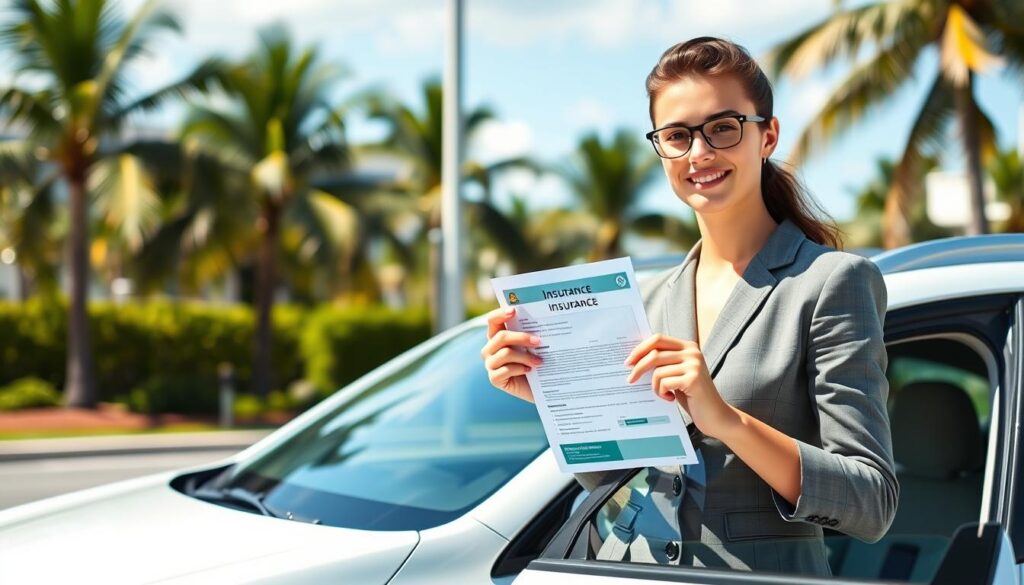
Navigating the world of car insurance can be daunting for first-time buyers in Florida. Understanding the basics is key to making informed decisions.
Understanding Insurance Terminology
First-time buyers should familiarize themselves with Florida-specific terms like PIP (Personal Injury Protection) and PDL (Property Damage Liability). Understanding the difference between “full coverage” and actual coverage types is essential.
Questions to Ask Before Purchasing
New drivers should ask potential insurers about special programs for inexperienced drivers, including monitoring apps. They should also inquire about policy cancellation terms, payment options, and accident forgiveness programs.
Conclusion: Finding the Best Car Insurance Deal in Florida
To secure the best car insurance in Florida, drivers must balance comprehensive coverage with affordable rates through strategic comparison shopping.
The ideal policy provides sufficient protection for Florida’s unique risks while fitting comfortably within your budget constraints. Regularly reviewing your coverage as your life circumstances change ensures you maintain appropriate protection without overpaying.
- Take advantage of all available discounts and bundling opportunities to reduce your premium costs.
- Understand how Florida’s no-fault system affects claims processing to make better coverage decisions.
- Build a relationship with a trusted insurance company for better service and potentially more favorable treatment in case of claims.
By combining appropriate coverage levels, available discounts, and a provider with excellent customer service and claims handling, you can find the best car insurance deal in Florida.