In today’s fast-paced business environment, managing customer relationships effectively is crucial for success. Integrating customer relationship management with project delivery processes can significantly enhance operational efficiency.
Combining CRM and project management software creates a unified approach that streamlines operations and boosts team collaboration. This integration addresses the challenges businesses face when using separate systems for customer management and project tracking.
By implementing effective CRM project management strategies, organizations can expect numerous benefits, including improved sales and enhanced customer satisfaction. This article will explore the top tools and platforms that offer both CRM and project management capabilities in one solution.
What is CRM Project Management?
CRM project management is a revolutionary approach that combines customer relationship management with project planning and execution. This integration enables businesses to manage customer interactions and project delivery from a single platform, enhancing overall efficiency and customer satisfaction.
The Convergence of Customer Relationships and Project Delivery
The convergence of customer relationships and project delivery is at the heart of CRM project management. By integrating these two critical business functions, companies can ensure that customer expectations set during the sales process are met during project delivery. This seamless connection between sales activities and project outcomes helps maintain consistent Page communication with clients throughout the entire customer journey.
- Aligns customer expectations with project outcomes
- Enhances communication between sales and delivery teams
- Provides a unified view of customer interactions and project progress
Why Businesses Need Integrated Solutions
Businesses increasingly need integrated solutions that provide a single source of truth for customer data and project information. Integrated CRM project management reduces data silos, minimizes duplicate data entry, and creates more efficient workflows across sales and delivery teams. By having all relevant information in one place, businesses can make informed decisions, improve collaboration, and drive growth.
Key benefits include:
- Reduced data silos and improved data accuracy
- Enhanced collaboration between teams
- Increased efficiency and productivity
The Difference Between CRM and Project Management Software
Understanding the distinction between CRM and project management software is crucial for businesses aiming to streamline their operations. While both are vital tools in the business world, they serve different purposes and cater to different needs.

Core Functions of CRM Systems
CRM systems are designed to manage a company’s interactions with current and potential customers. They are centered around contact management, sales pipeline tracking, and customer communication history. These systems help businesses nurture customer relationships, providing a clear overview of customer interactions and preferences. Key features include:
- Contact and account management
- Sales forecasting and pipeline management
- Marketing automation and campaign tracking
- Customer service and support tools
Essential Features of Project Management Tools
Project management tools, on the other hand, are designed to help teams organize and manage projects efficiently. They focus on task assignment, timeline visualization, resource allocation, and progress tracking. These tools enable teams to collaborate effectively, ensuring projects are completed on time and within budget. Essential features include:
- Task and project planning
- Team collaboration and communication tools
- Time tracking and resource allocation
- Gantt charts and project scheduling
By understanding the core functions of CRM systems and the essential features of project management tools, businesses can better appreciate the need for integrated solutions that combine the strengths of both.
Benefits of Integrating CRM with Project Management
Integrating CRM with project management tools revolutionizes business operations by creating a unified platform that streamlines processes, enhances collaboration, and improves decision-making. As organizations increasingly adopt this integrated approach, they experience significant benefits that impact their bottom line.
Streamlined Business Processes
By integrating CRM and project management systems, businesses can eliminate redundant data entry and create more efficient workflows. This integration enables a seamless flow of information from lead generation through project completion, reducing manual errors and increasing productivity. As a result, teams can focus on high-value tasks rather than tedious data entry.
Enhanced Team Collaboration
When sales, marketing, and project teams work from the same platform, they have shared access to customer and project information, fostering team collaboration. This unified approach ensures that all stakeholders are on the same page, reducing miscommunication and improving overall project outcomes. As
“The future of business is not just about technology, it’s about the people and processes it enables.”
, said a renowned business leader, highlighting the importance of integrated systems.
Improved Data Visibility and Decision-Making
Integrated CRM and project management systems provide stakeholders with real-time insights into both customer relationships and project status. This enhanced visibility enables better-informed decision-making, allowing businesses to respond quickly to changing customer needs and project requirements. With all data in one place, companies can deliver projects that better align with customer expectations established during the sales process, ultimately driving customer satisfaction and loyalty.
Key Features to Look for in CRM Project Management Tools
When selecting a CRM project management tool, it’s crucial to consider the features that will drive user adoption and streamline your business processes. The ideal tool should offer a combination of functionality, ease of use, and flexibility to meet your organization’s unique needs.
User Experience and Interface Design
A well-designed user interface is essential for ease of use and user adoption. Look for CRM project management tools with intuitive navigation, clear layouts, and customizable dashboards that make it easy for your team to access the information they need.
Integration Capabilities
The ability to integrate with other business Page is vital for project management success. Ensure that the CRM tool you choose can seamlessly connect with your existing systems, such as accounting software, marketing automation platforms, and communication tools.

Customization Options
Every business is unique, and your CRM project management tool should Page accommodate your specific workflows and terminology. Opt for a tool that offers flexible customization options, enabling you to tailor the platform to your organization’s requirements.
Automation and Workflow Management
Workflow management is a critical aspect of project management. Choose a CRM tool that allows you to automate repetitive tasks, create custom workflow management rules, and set up notifications to ensure consistent processes and improved efficiency.
By focusing on these key features, you can find a CRM project management tool that enhances your team’s productivity, streamlines your business processes, and drives long-term success.
Productive: All-in-One Platform for Professional Services

Overview Page
Productive presents a robust all Pagein-one platform specifically designed for professional services companies looking to integrate CRM and project management capabilities. This comprehensive solution is tailored to meet the unique needs of service-based Pagein businesses, offering a streamlined approach to managing operations.
Key Features
The platform boasts an impressive array of features, including Sales CRM functionality, project management tools, time tracking, resource planning, and financial management capabilities. These features work in tandem to provide businesses with a seamless workflow, from initial sales opportunity through to project delivery and billing.
One of the standout aspects of Productive is its ability to manage all key operations in one platform. This not only supports efficiency but also provides more reliable data for service-based businesses, enabling them to make informed decisions.
Pros
Productive’s strengths lie in its comprehensive approach to business management. By integrating CRM and project management, businesses can track projects from start to finish, creating a se Pageamless Pageinworkflow for professional services organizations. This integrated approach helps in reducing administrative burdens and improving overall productivity.
Cons
While Productive offers a robust set of features, it’s essential for businesses to consider any potential limitations. Some users might find the platform’s extensive capabilities to be overwhelming at first, requiring a period of adjustment. However, Productive’s support resources are designed to help businesses get up to speed quickly.
HubSpot: Marketing-Focused CRM with Project Capabilities

Overview
With its strong marketing and sales focus, HubSpot’s CRM is an ideal choice for businesses seeking integrated project management capabilities. HubSpot offers a comprehensive CRM platform that includes robust project management features, making it a versatile tool for businesses looking to streamline their operations.
Key Features
HubSpot’s key features include marketing automation, sales process management, workflow automation, pipeline management, and content creation tools. These features enable businesses to manage their customer relationships and projects effectively, enhancing overall productivity.
Pros
One of the significant advantages of HubSpot is its comprehensive marketing and sales features, making it a staple tool among mid-sized to larger businesses. Its robust CRM capabilities and user-friendly interface contribute to its popularity.
Cons
However, HubSpot is not primarily designed for project management and works best when integrated with dedicated project management platforms. This limitation may affect businesses with complex project management needs.
Businesses with strong marketing and sales needs will benefit most from HubSpot’s approach to CRM project management. Its integrated tools and automation features make it an excellent choice for companies looking to enhance their sales and marketing processes while managing projects effectively.
Insightly: Modern Cloud-Based CRM and Project Management
Overview
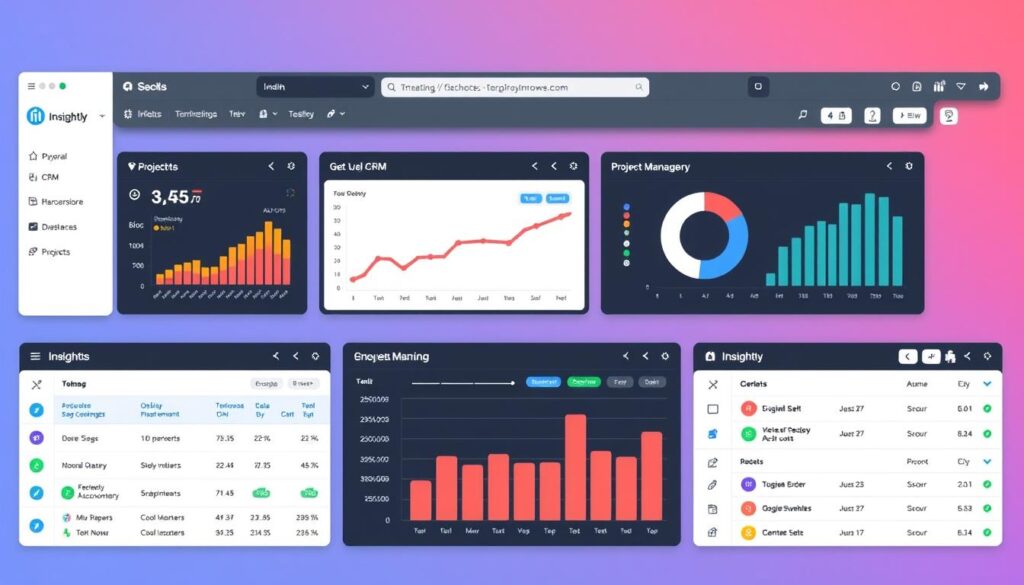
Insightly is revolutionizing business management by offering an all-in-one CRM and project management platform. This modern, cloud-based solution is designed for growing businesses, providing a comprehensive tool that integrates sales, marketing, and project management into a single platform.
Key Features
Insightly’s key features include contact and lead management, pipeline and project management, workflow automation, dashboards, and reporting, as well as integration capabilities. These features enable businesses to streamline their operations and improve team collaboration.
The platform’s sales pipelines and project management tools are particularly noteworthy, allowing businesses to manage their projects and sales processes efficiently.
Pros
One of Insightly’s main strengths is its intuitive design, making it easy for teams to adopt and use. Additionally, its flexible automation and robust integration options enhance its appeal to businesses looking for a versatile CRM and project management solution.
Cons
While Insightly offers a range of features, some advanced automation, analytics, and AI features are limited to higher-tier plans. This could be a limitation for businesses requiring more sophisticated tools.
Monday.com: Versatile Work Operating System
Overview
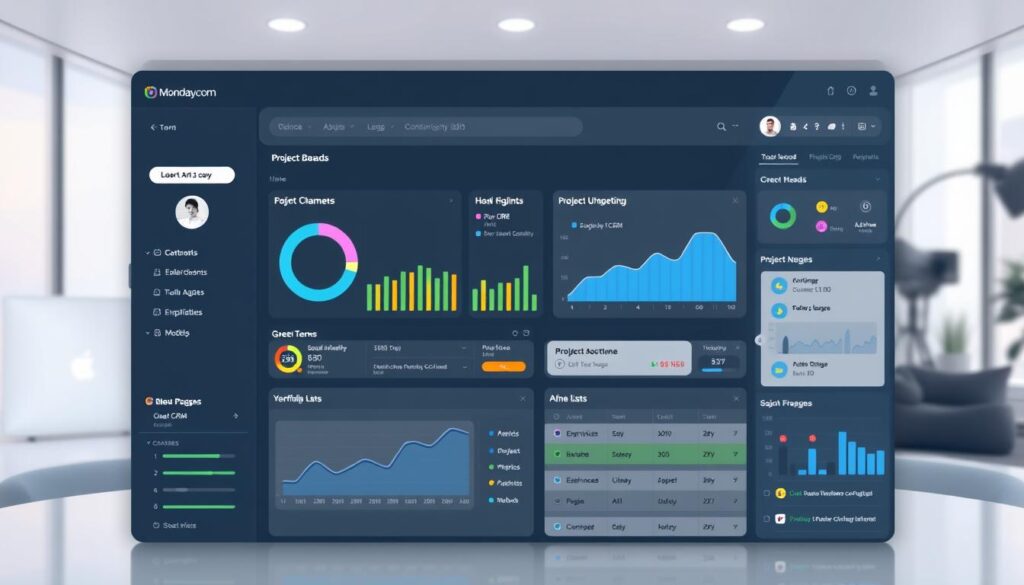
Monday.com has emerged as a versatile work operating system that effectively integrates CRM and project management functionalities. This platform allows businesses to manage customer relationships and projects in a unified environment, enhancing overall efficiency.
Key Features
Monday.com offers a range of customizable features, including boards, timelines, Kanban boards, and Gantt charts. These visualization tools enable teams to manage projects and customer interactions effectively. Additionally, Monday.com’s automation capabilities and AI-powered workflow building streamline processes, reducing manual effort.
Pros
The platform’s user-friendly graphic interface and fully customizable workflow templates make it accessible to businesses of various sizes. Monday.com’s affordable pricing structure is another significant advantage, allowing businesses to scale their operations without incurring excessive costs.
Cons
One limitation is that Monday.com’s CRM system is separate from its work management platform, which can be more expensive and less user-friendly than a unified solution. However, this separation also allows for flexibility in managing different aspects of business operations.
In conclusion, Monday.com’s approach to visual workflow management can significantly benefit organizations looking for flexibility in how they manage both customer relationships and project execution. By leveraging Monday.com’s versatile work operating system, businesses can enhance their overall project management capabilities and improve customer satisfaction.
Flowlu: Comprehensive Business Management Solution

Flowlu is a robust business management solution that seamlessly integrates CRM functionality with project management capabilities. This all-in-one platform is designed to streamline business processes, enhance team collaboration, and improve data visibility.
Overview
Flowlu offers a comprehensive suite of tools that cater to both customer relationship management and project delivery. By integrating these functions, Flowlu enables businesses to manage their operations more efficiently.
Key Features
Flowlu’s key features include project management, collaboration tools, online CRM, document builder, and financial management and invoicing capabilities. These features are designed to work together seamlessly, providing a holistic view of business operations.
Pros
One of Flowlu’s significant strengths is its ability to provide a range of features for managing customer relationships and project progress at a fair price point. This makes it an attractive option for businesses looking for a cost-effective project management software solution.
Cons
While Flowlu offers a robust set of features, it lacks resource planning functionalities, which might be a limitation for some businesses. Additionally, being developed by a smaller team, Flowlu’s development speed and scalability might be impacted.
In conclusion, Flowlu is a versatile business management solution that is particularly suited for businesses seeking an integrated CRM and project management platform. Its comprehensive features and fair pricing make it an excellent choice for businesses looking to streamline their operations.
Additional CRM Project Management Solutions
Beyond the most commonly used CRM project management tools, several other solutions offer unique approaches to integrating customer relationship management with project execution. These alternatives provide a range of features and functionalities that can cater to different business needs.
Teamwork
Teamwork is a robust project management and collaboration tool that helps teams deliver projects efficiently. While its CRM and customer support tools are available as separate products, requiring additional purchases, Teamwork’s core functionality lies in its ability to manage complex projects with multiple tasks and deadlines.
Zoho CRM and Zoho Projects
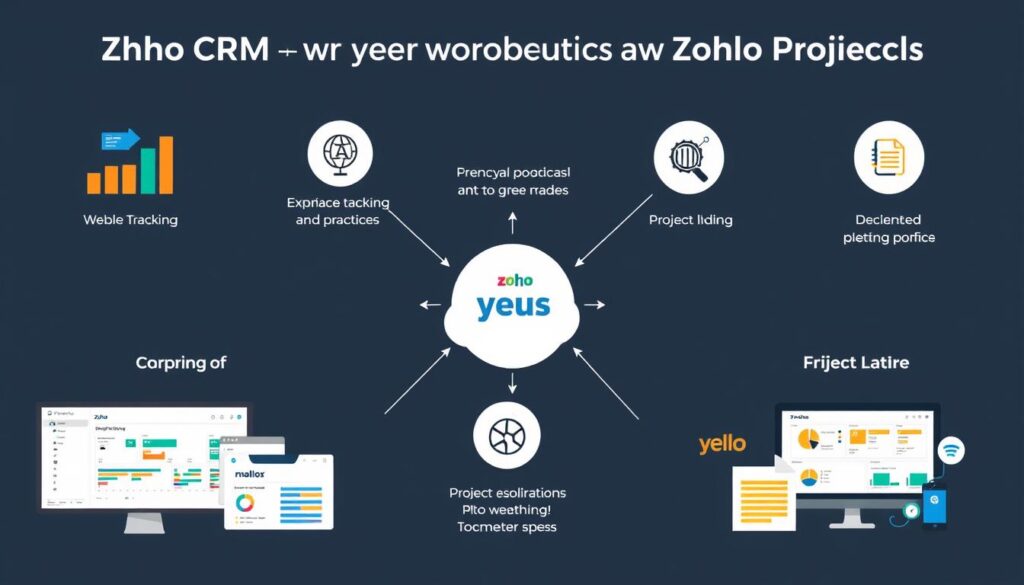
Zoho offers a comprehensive suite of products for customer relationships and project management. Zoho CRM and Zoho Projects integrate seamlessly, providing a robust feature set that includes sales tracking, workflow automation, and project planning. While the breadth of Zoho’s offerings can be overwhelming for some businesses, they offer a high degree of customization.
Bitrix24
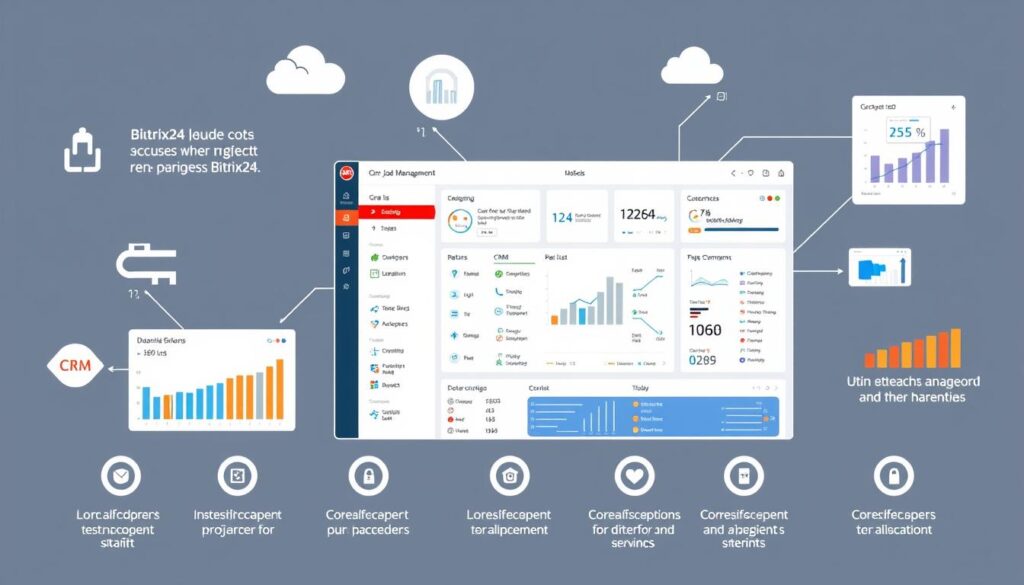
Bitrix24 is an all-in-one platform that combines CRM and project management capabilities. It offers a range of features, including contact management, sales tracking, and task management, all within a single platform. However, the user experience can be challenging due to its extensive feature set.
Trello with CRM Capabilities
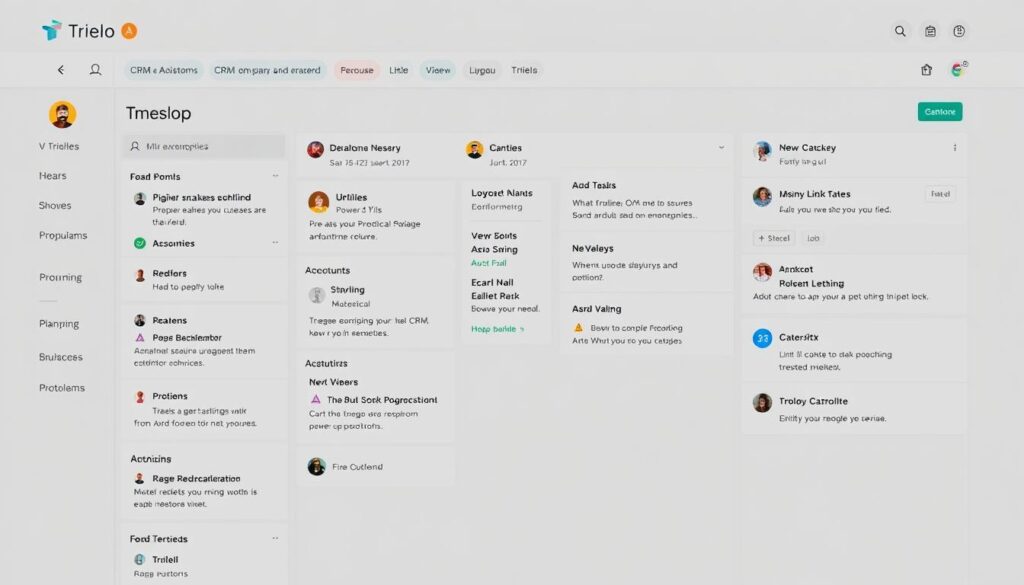
Trello is primarily a project management tool known for its Kanban board approach. However, it can be adapted for CRM functionality through the use of templates and power-ups. This makes Trello a lightweight but flexible option for teams with simple CRM needs.
These additional CRM project management solutions offer businesses a variety of options to suit their specific needs, whether they require robust project management features, comprehensive CRM capabilities, or a balance of both.
How to Choose the Right CRM Project Management Software
Effective CRM project management software selection begins with a clear understanding of your core business processes and project management needs. To make an informed decision, businesses must consider several key factors that will impact their operations and bottom line.
Mapping Page Workflows
Mapping your core workflows is the first step in selecting the right CRM project management software. This involves identifying the processes that the integrated solution needs to support, from lead generation through project completion and billing. By understanding these workflows, businesses can determine the features and functionalities required in a CRM project management tool.
Identifying Non-Negotiable Features
Once core workflows are mapped, businesses should identify non-negotiable features by creating a prioritized list of must-have capabilities based on their specific requirements for both CRM and project management. This list will help narrow down the options and ensure that the chosen software meets the organization’s needs. Key features to consider include sales tracking, project management, and customer relationship management.
Evaluating User Experience and Adoption
evaluate user experience and potential adoption challenges to ensure that the chosen platform is user-friendly and meets the team’s needs. This can be achieved by running demo trials, gathering team feedback, and assessing how well each platform supports the organization’s unique data Page flow needs.
Implementing Your CRM Project Management Solution
To maximize the benefits of CRM project management, businesses must focus on effective implementation. This involves several critical steps that ensure a smooth transition and maximum adoption.
Creating a Transition Plan
A comprehensive transition plan is essential for minimizing disruptions during the implementation of a new CRM project management system. This plan should address data migration, process changes, and potential challenges. By identifying key stakeholders and their roles, businesses can ensure a structured approach to implementation.
- Identify key stakeholders and their roles
- Plan for data migration and integration
- Establish a timeline for the transition
Training Your Team Effectively
Effective training is crucial for the successful adoption of any new system. It’s essential to provide team collaboration tools and training that cater to different roles within the organization, whether in sales, customer service, or project delivery. This ensures that all team members understand how to use the new system effectively.
Measuring Success and ROI
To evaluate the effectiveness of the CRM project management solution, it’s crucial to measure its success through specific metrics. These can include time saved, improved project delivery rates, enhanced customer satisfaction, and overall financial performance. By tracking these metrics, businesses can determine the ROI of their CRM project management solution.
- Track time saved through automation and streamlined processes
- Monitor project delivery rates and customer satisfaction
- Evaluate financial performance and ROI
Conclusion: Transforming Business Operations with CRM Project Management
In today’s competitive landscape, adopting a unified CRM and project management approach is no longer a luxury, but a necessity. By integrating customer relationship management with project delivery, businesses can streamline their operations, enhance team collaboration, and improve data visibility.
The key benefits of this integration include improved customer experiences, more efficient project delivery, and better business insights. When selecting a CRM project management solution, it’s crucial to look for features such as user-friendly interfaces, robust integration capabilities, and advanced automation options.
Some of the top platforms that offer a balance of functionality for different business needs include Productive, HubSpot, Insightly, Monday.com, and Flowlu. These solutions enable businesses to create a competitive advantage by leveraging project management software that is closely tied to their CRM systems.
Emerging trends in CRM project management include increased AI integration, improved mobile capabilities, and more sophisticated automation. As businesses move Page forward, adopting these trends will be crucial for staying Page ahead in the market.
To take the next steps, businesses should evaluate their core workflows, identify non-negotiable features, and assess the user experience of potential CRM project management solutions. By doing so, they can make informed decisions that drive business success.